 Aeromexico Rewards
 Air Canada Aeroplan
 American Airlines AAdvantage
 Atmos Rewards (Alaska/Hawaiian)
 Azul Fidelidade
 Delta SkyMiles
 Etihad Guest
 Finnair Plus
 Flying Blue (AF/KL)
 GOL Smiles
 Jetblue TrueBlue
 Qantas Frequent Flyer
 SAS EuroBonus
 Turkish Miles&Smiles
 United MileagePlus
 Virgin Atlantic Flying Club
 Virgin Australia Velocity
Stop leaving money on the table. Your business already pays for rent, supplies, and taxes. This guide explores the potential to turn some of those costs into EuroBonus points for your business. With a strategic setup, some businesses explore the potential to earn enough SAS EuroBonus points for multiple Business Class tickets each year, just by paying bills. We’ll also cover the importance of compliance and proper documentation for business travel.
(NEW) Major 2026 Update: The SAS Executive Card
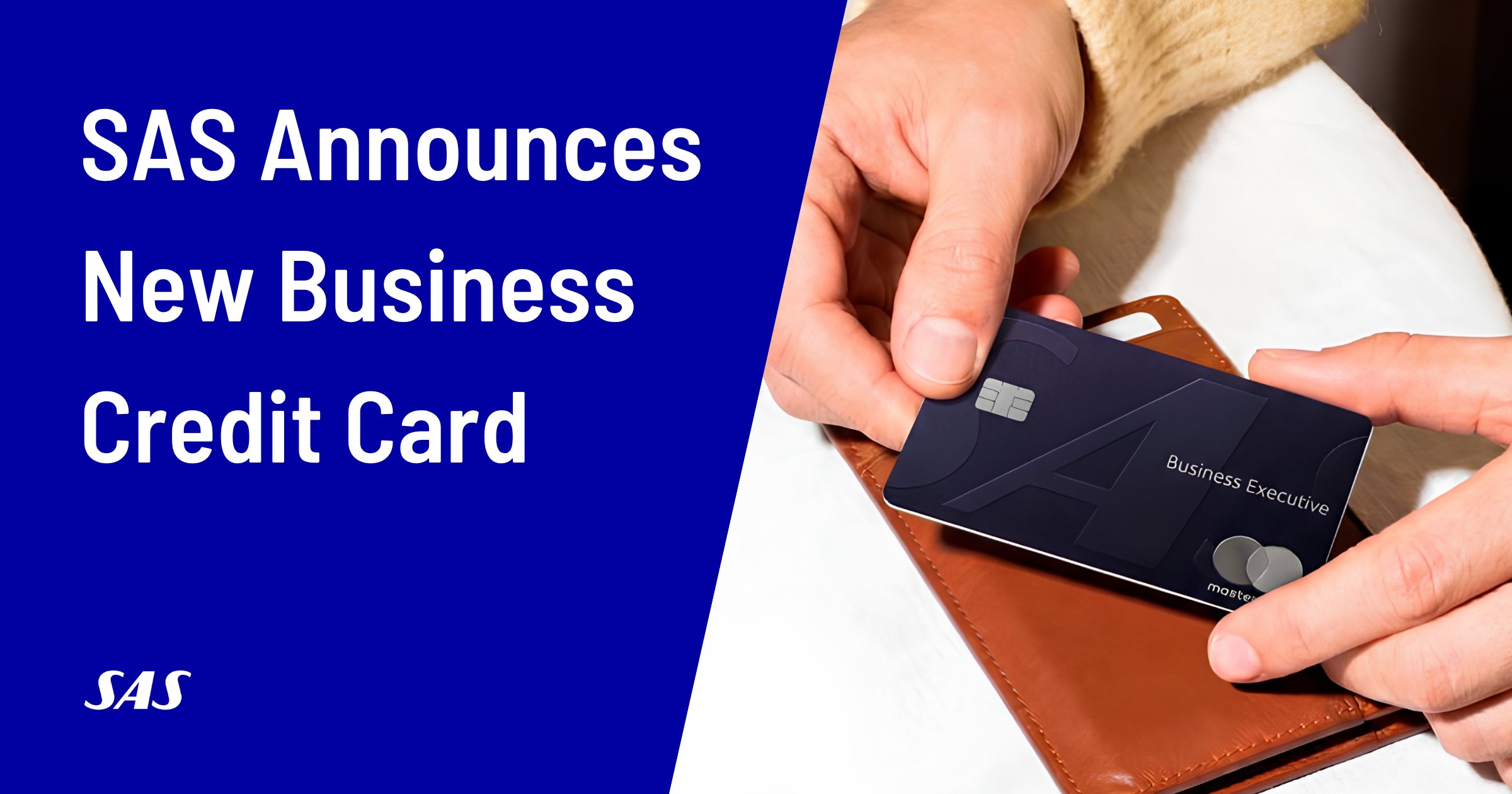
(NEW) Game-changer for Scandinavian SMEs (May 27, 2026): SAS just announced the SAS Executive Card, its first own business-card program, launching fall 2026 in Sweden, Norway, and Denmark and legally issued by Bankaktiebolaget Nordiska. Three things that fundamentally change the math in this guide:
- 25 EuroBonus points per 100 kr on all eligible business spend — the highest base rate in the entire EuroBonus card lineup, beating the SAS Amex Elite (20 pts/100 kr) by 25%.
- 20,000 Level Points/year automatically = EuroBonus Silver with zero qualifying flights. Combined with enough personal Amex Elite spend or other Level Point sources, it creates a direct route to EuroBonus Gold without flying.
- No Bill Kill or Betalo middleman fee on expenses a merchant accepts directly by card. Bank-transfer-only invoices may still need a bill-payment service, and personal use of employer-funded points still requires proper tax handling.
The waitlist is open today at no commitment. Waitlist members get early access and an undisclosed “exclusive offer” at launch, but the final local terms should be reviewed before applying.
How It Works (Quick Summary)
- (NEW) Consider the new SAS Executive Card (fall 2026): SAS’s first own business-card program. 25 pts/100 kr, 20,000 Level Points/year (auto-Silver), and no intermediary fee on direct merchant card spend. Join the waitlist.
- Compare Your Card Options: Personal SAS Amex Elite for 2-for-1 vouchers, Executive Card for company spend. Compare cards here.
- Bill-Paying Services: Bill Kill (our partner — Master customers get 2 months of AwardFares Gold free) is one option; Betalo is an alternative. Both can bridge bank-transfer-only invoices with ~2.5–3% fees. The Executive reduces the need only where the merchant accepts direct card payment.
- Book Flights Correctly: Always use your company’s free SAS for Work code when booking flights for corporate discounts.
- Compliance is Key: A dedicated business card is a cleaner accounting setup, but points credited to an individual and later used privately can still have tax consequences.
(NEW) The SAS Executive Card: A New Era for Business EuroBonus (Fall 2026)
For years, the playbook for earning EuroBonus on business spend in Scandinavia has been the same: route as much company spend as possible through a personal SAS Amex Elite, use Bill Kill (our partner — see below) or Betalo to convert bank-only invoices into card transactions (at ~2.5–3% in service fees), and manage the resulting compliance grey area carefully with your accountant.
Part of that setup can soon be replaced by a single product—specifically the expenses that can be paid to a merchant directly by card.
SAS announced the SAS Executive Card on May 27, 2026 — its first own business-card program. Earlier consumer SAS cards are partner co-brands from Amex Nordics, SEB Kort, or Lunar. Bankaktiebolaget Nordiska is the Executive’s legal issuer, while Cardlay provides the app and expense layer. It’s a Mastercard World Elite, it targets Scandinavian SMEs specifically, and the numbers are the most aggressive SAS has put on a card in years.
What It Changes for Your Business
| Mechanism | Old (Amex Elite + bill-pay service) | (NEW) SAS Executive Card |
|---|---|---|
| Base earning rate | 20 pts / 100 kr (Amex Elite) | 25 pts / 100 kr |
| Intermediary fee | ~2.5–3% via Bill Kill or Betalo | None on direct merchant card spend; bank-transfer invoices are separate |
| Status earned from cards | 6 Level Points / 100 kr | 20,000 Level Points / year automatic (= EuroBonus Silver) |
| Multiple cardholders / per-employee limits | Not really (personal card) | Yes — built-in via Cardlay platform |
| ERP / accounting integration | Manual reconciliation | Direct ERP sync, receipts at PoS |
| Accounting / tax posture | Personal and business transactions can mix | Cleaner separation, but private reward use may still be taxable |
| Annual fee | 6,900 kr (Amex Elite) | ~7,188 kr (599 SEK/month) |
The Math on a Typical Scandinavian SME
The Stockholm tech startup example used elsewhere in this guide — 15 employees, 120,000 SEK/month in card-routable spend — maps directly onto this product:
| Setup | Points / Year | Net Cost (fees + card) |
|---|---|---|
| SAS Executive Card (25 pts / 100 kr direct) | 360,000 | ~7,188 kr |
| Personal Amex Elite + Bill Kill (20 pts / 100 kr, 2.5% fee) | 288,000 | ~42,900 kr |
| Personal Amex Premium + Bill Kill (15 pts / 100 kr, 2.5% fee) | 216,000 | ~37,800 kr |
That’s 72,000 more EuroBonus points/year than the previous setup in this example, and ~35,000 kr less in service fees. At 1.5M SEK/year of genuinely card-routable spend, the Executive looks like a strong primary-card candidate. The comparison does not apply to bank-transfer-only invoices, and the final card terms still need to be checked at launch.
The “Gold Without Flying” Combo
The Executive Card doesn’t earn the SAS Amex Elite’s 2-for-1 voucher, so the smart play is to hold both: Executive for company spend, personal Amex Elite for the voucher and personal spend. The two cards stack on status earning:
- Executive Card: 20,000 Level Points/year automatic (= Silver, every year, regardless of flying)
- Amex Elite at 300,000 kr personal spend: ~18,000 Level Points (6 per 100 kr)
- Subtotal from cards alone: ~38,000 Level Points — well past Silver
- Additional Amex Elite spend of 116,667 kr → 7,000 Level Points, bringing the card total to 45,000 = EuroBonus Gold
That is a direct path to Gold without flying, plus two annual 2-for-1 vouchers and the highest announced base earn rate in the program. A personal Amex Elite could already earn Gold from 750,000 kr of spend; what is new is the fixed 20,000-point business-card layer. Our status-from-spending guide compares this with Mastercard, DNB, ChangeMakers, hotel, and purchased-point combinations.
Should You Wait for It?
It depends on timing.
- The card launches in fall 2026 (no specific date yet). The waitlist is open now.
- Air France-KLM is expected to acquire a majority stake in SAS in H2 2026 (full analysis here), which could eventually lead to a EuroBonus → Flying Blue merger. The Executive Card is the one product where SAS is putting its own name directly on the rails, which is a structural signal about how SAS sees its program surviving.
- For now (May–fall 2026): Keep your existing bill-pay setup running through your personal Amex Elite — Bill Kill is our partner of choice. Don’t ramp it down yet.
- At launch (fall 2026): Switch business card-routable spend to the Executive Card. Drop the bill-pay services on that volume. Keep the personal Amex Elite for the 2-for-1 voucher.
Join the waitlist — there’s no commitment, and SAS confirms waitlist members get early access plus an undisclosed exclusive offer. For the full breakdown, read our SAS Executive Card announcement post.
Step 1: Set Up Your Business Accounts
Before you start, you need two free accounts.
1. Employee EuroBonus Accounts
EuroBonus accounts are personal. Every employee who travels for work needs their own free account. They will earn points for their flights into this account.
2. Company SAS for Work Account
SAS for Work is SAS’s free corporate program that provides businesses with flight discounts, flexible booking options, and special benefits when employees travel for work. This is your company’s free dashboard with SAS. When you sign up, you get a Corporate Mandatory Prefix (CMP) Code. You must enter this code every time you book a flight to get your company’s benefits.
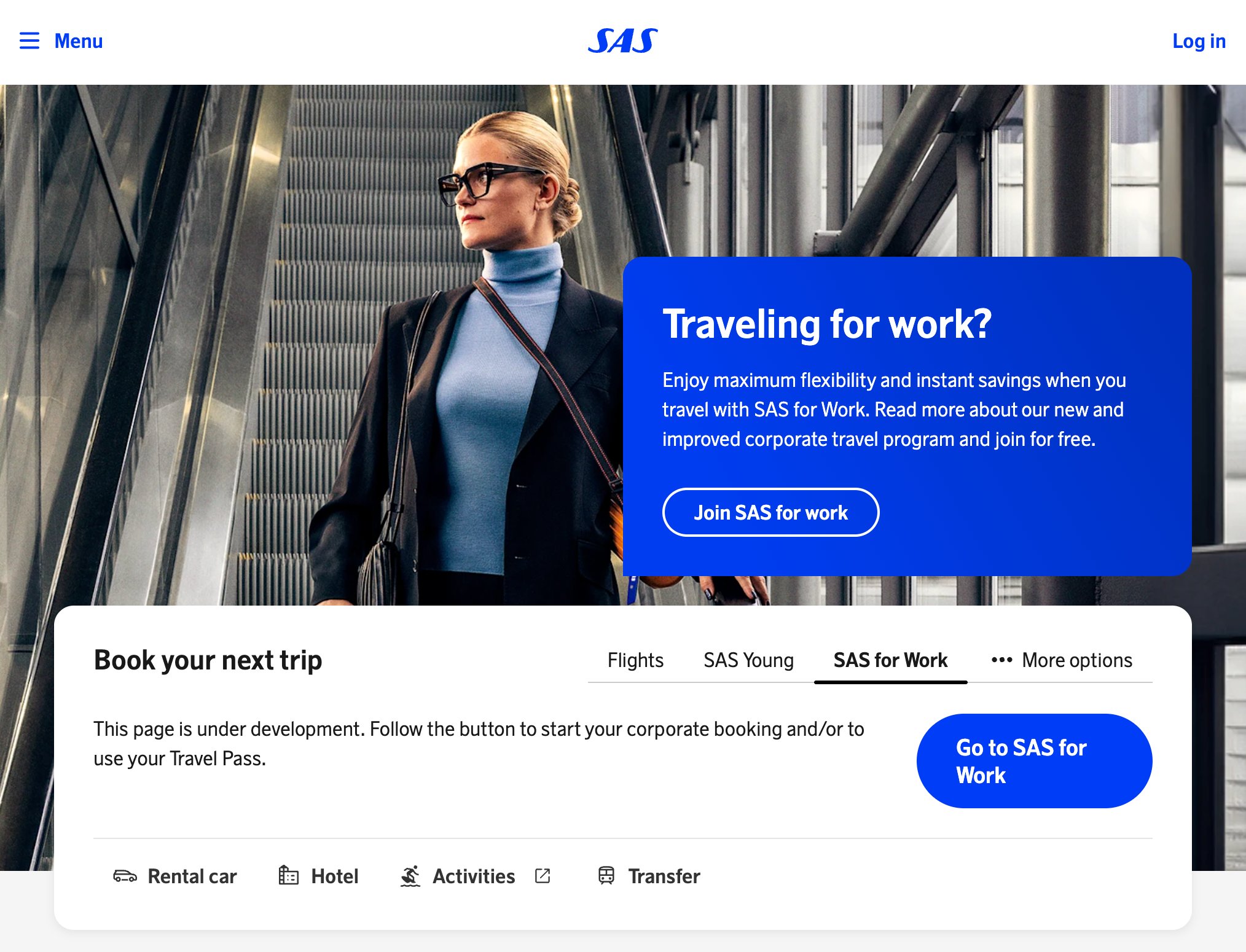
Benefits of SAS for Work:
- Discounts on flights with SAS and partners.
- Free name changes on tickets if an employee can’t travel.
- Faster security for employees with EuroBonus Silver status.
Important
You must use your CMP code to get any benefits. No code means no discount. Make this a rule in your company.
Full terms & conditions of SAS for Work here.
Related Reading
Step 2: Strategies for Earning Points from Business Spending
This is how you will earn the most points, not from flying, but from your everyday business costs.
Use Credit Cards for All Spending
Important Considerations on Business Spending
Using personal credit cards for business expenses and utilizing bill-paying services can involve complex compliance and accounting issues. Company policies, cardholder agreements, and tax rules may restrict these practices. You are responsible for ensuring your company’s spending practices are compliant with all relevant regulations and agreements. Always consult with your financial advisor or accountant before implementing these strategies.
A common way individuals earn points is by using their credit cards for spending.
A Common Approach:
- Consider one or more credit cards based on your company’s spending level.
- Redirect all possible business expenses to these cards.
- Always pay the full balance each month to avoid interest fees.
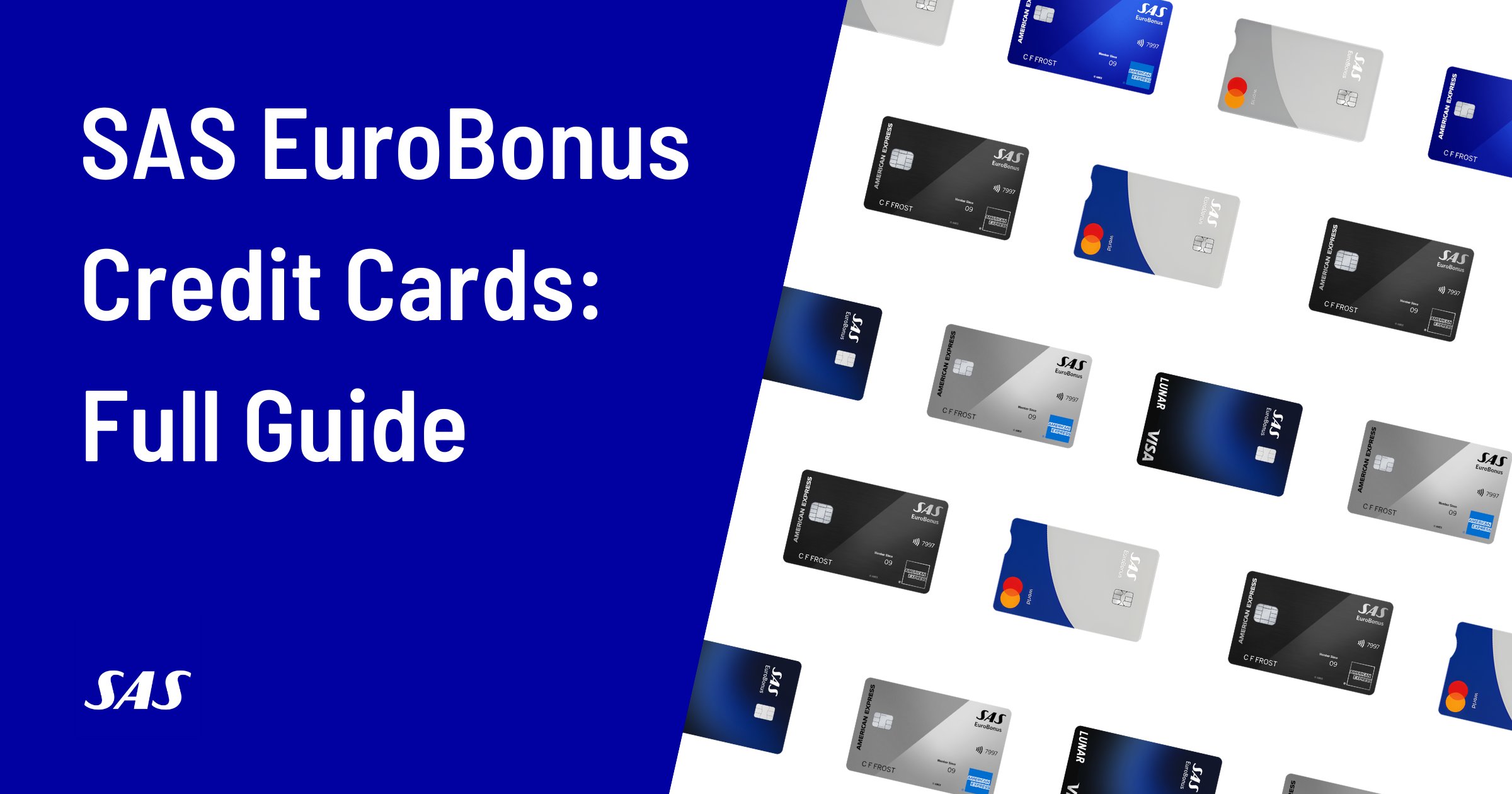
Choosing the right card is crucial for maximizing points. We have a detailed guide that compares all SAS credit cards for Swedish, Norwegian, and Danish businesses. It’s important to note that SAS and other banks offer dedicated business credit cards (example: American Express Corporate Cards with Membership Rewards). These are specifically designed for company expenses and often provide clearer terms for business use. You should evaluate whether a personal or a business card is the most appropriate and compliant solution for your company.
(NEW) In fall 2026, the SAS Executive Card becomes an important option for Scandinavian SMEs earning EuroBonus on company spend: 25 pts/100 kr, 20,000 Level Points/year automatic, multi-cardholder admin, per-employee spending limits, and direct ERP integration. Compare its final credit terms, acceptance, liability, and local price with your current business card when applications open. Join the waitlist at no commitment to get early-access details.
Compare SAS Credit Cards and Choose the Best One
Pay Large Invoices with Your Card
Direct Card Spend and Bill Payments Are Different
The SAS Executive Card will improve the return on expenses that a supplier accepts directly by card. It does not turn rent, taxes, or bank-transfer-only supplier invoices into card transactions. The services below may therefore remain relevant after launch, but their 2.5–3% fees must be compared with the value of the points earned.
Some businesses explore using services like Bill Kill (Norway/Sweden — our partner), Betalo (Sweden/Norway), and Billo to pay large invoices like rent or taxes with a credit card. Note that all three offer specific business plans intended for this purpose. However, you must always check the terms of service for these platforms and your credit card agreement to ensure you are not violating any rules.
How it works:
- You pay the service with your credit card.
- The service pays your bill via bank transfer.
- You earn all the points from that large payment.
Our Partner: Bill Kill
🤝 Bill Kill is the AwardFares partner of choice. The Bill Kill app supports Visa, Mastercard, and Amex (debit or credit), with the best value when paired with an American Express card (SAS EuroBonus or regular). Bill Kill also has its own Zen points loyalty program — you can earn and redeem Zen points to cover the service fee. Master Bill Kill customers get 2 months of AwardFares Gold for free through our partnership (one-time per customer, can’t be combined with other offers). Claim the offer at awardfares.com/billkill — just use the same email for both accounts.
| Service | Where It Works | Best For | Typical Fee |
|---|---|---|---|
| Bill Kill (partner) | Sweden, Norway | Large invoices like rent; Zen points offset fees | ~3.0% |
| Betalo | Sweden, Norway | Flexible payments, bank transfers | ~3.4% |
| Billo | Sweden | Lower fees with Visa/Mastercard | ~1.99% |
When to Use Bill Services
This approach is generally only financially viable for expensive flights, like Business Class. Don’t do this for economy flights. At ~3% fee and 20 pts/100 kr, you’re ‘buying’ points at ~1.3 kr per 1,000. If you redeem at ≥0.9–1.2 kr/pt effective value on Business Class, arbitrage is positive; for Economy it’s not.
See How Much You Can Earn
Calculate how many points your business could earn from paying invoices with a card.
Business Points Calculator
See how many points you can earn from paying invoices with a credit card.
Concrete Example: Stockholm Tech Startup
Company Profile: Tech Startup in Stockholm, 15 employees
Monthly Expenses:
- Office Rent: 80,000 SEK
- Supplier Invoices: 40,000 SEK
- Total Monthly: 120,000 SEK
Annual Results:
- Points Earned: 288,000 points
- Equivalent Flights: 2.8 Business Class tickets to NYC
- Total Fees Paid: 43,200 SEK
- Flight Value: ~200,000 SEK
- Net Savings: 156,800 SEK
Step 3: Earn Points from Flights, Partners, and Business Products
Book Flights with Your CMP Code
When employees book flights using the company CMP code:
- Employee gets: Personal EuroBonus points
- Company gets: Corporate discount and benefits
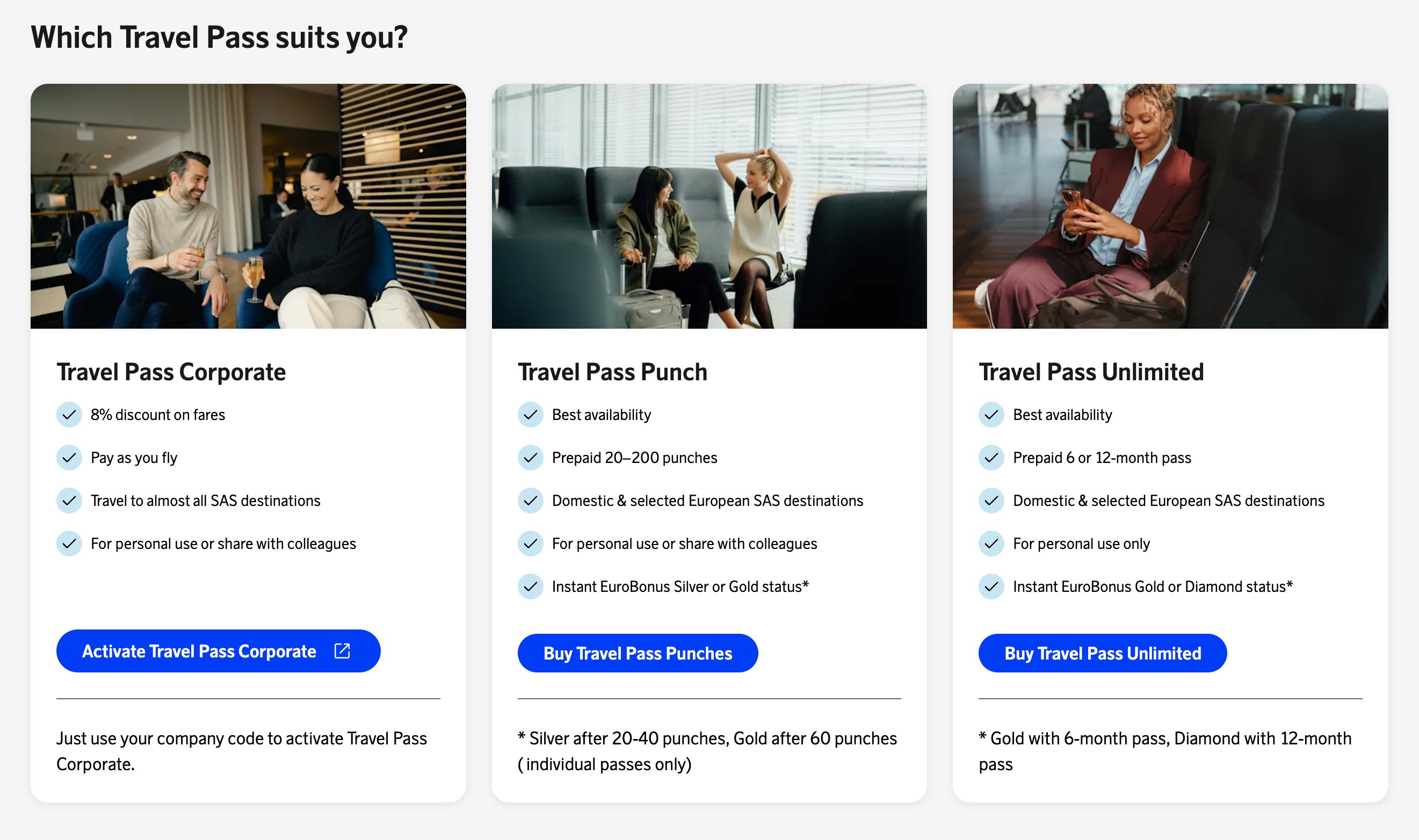
Explore SAS Travel Pass
SAS for Work offers a product called Travel Pass, which are pre-purchased flight bundles that can provide significant savings and flexibility. For companies with predictable travel patterns, these can be a valuable tool. Certain Travel Pass punch cards can also grant EuroBonus status instantly, providing additional benefits for your traveling employees.
Use SAS Partners
Earn extra points when your business uses:
- Hotels: Book through “Hotels by SAS”
- Car rentals: Use Hertz and other partners
- Office supplies: Shop through EuroBonus partners
Step 4: Understand the Tax Rules
This is important to avoid problems with tax authorities. The rules are different for Sweden and Norway.
Important Disclaimer
The information in this section is provided for general guidance only and does not constitute tax, legal, or accounting advice. Regulations differ by country and may change. You should consult your accountant or the respective tax authority before making decisions based on EuroBonus points or company spending.
Tax Rules in Sweden (Skatteverket)
According to Swedish tax law, EuroBonus points themselves are not taxed when earned. Taxation only applies when points are used for private benefits.
| Situation | Taxable in Sweden? | Explanation |
|---|---|---|
| Points from personal spending or flights | No | Personal benefit, not work-related |
| Points from business travel used for work flights | No | Business-related use |
| Points from business travel used for private trips | Yes | Might be treated as taxable fringe benefit (förmån) |
What this means for your business:
- Points from credit card spending: Not taxed when earned (considered marketing benefits).
- Points from business flights: Not taxed if used for more business travel.
- Points from business flights used for vacations: In theory, it might be a taxable benefit for the employee, which in practice is hard to assess.
Tax Rules in Norway (Skatteetaten)
Norwegian rules are generally similar but consult with your accountant for specific guidance on how Skatteetaten treats points, based benefits in your situation.
How to Stay Compliant
Option 1: Business Use Only (The Safest Path) To eliminate any potential tax complications, the safest approach is to implement a company policy stating that all points earned from company spending and business travel are to be used exclusively for future business travel. This clearly aligns the benefit with its source and avoids any grey areas.
Option 2: Allow Personal Use If you choose to allow employees to use points for personal trips, you should be aware that this likely creates a taxable benefit. This would require you to:
- Have employees report personal use of business-earned points
- Calculate the cash value of the flight
- Report it as income to the tax authority
- Pay the required taxes
- Keep detailed records
Talk to your accountant to set up the right system for your company.
Find Available Award Flights
Once you have points, you need to find available flights to book them. Use AwardFares to search for SAS award space, see calendar availability, and set up alerts for your routes.
You Might Also Like
Frequently Asked Questions
Common Questions
How does the new SAS Executive Card change this guide?
Significantly. The SAS Executive Card, announced May 27, 2026 and launching fall 2026, is SAS’s first own business-card program; Bankaktiebolaget Nordiska is the legal issuer. It earns 25 EuroBonus points per 100 kr directly, credits 20,000 Level Points/year automatically (= EuroBonus Silver with zero flights), and is built around multi-cardholder admin, per-employee spend limits, and ERP integration. It can replace the personal-card setup for direct merchant card spend. It does not remove the need for a bill-payment service when an invoice can only be paid by bank transfer, and final local card terms remain pending.
Should I switch to the Executive Card or wait?
For now, the Executive is not a usable card. At launch (fall 2026), compare its final terms with your current setup and move only eligible business expenses that fit the product. A personal SAS Amex Elite may still make sense for personal spend, its 2-for-1 vouchers, and extra Level Points toward EuroBonus Gold. Join the waitlist for early-access details; the promised exclusive offer has not been disclosed.
Can my company have one EuroBonus account?
EuroBonus accounts are personal; there is no standard company EuroBonus account. However, SAS has not yet published the Executive card’s final rules for allocating Bonus Points and Level Points across a company with multiple employee cards. Confirm that setup at launch rather than assuming every point goes to the primary cardholder.
Is it worth paying 3% fees to earn points?
It can be, but only if you plan on booking Business Class flights. The value of a Business Class ticket is much higher than the fees you pay. For economy flights, it’s usually not worth it. Plus, only after you’ve confirmed it’s a compliant practice for your business.
What's the best credit card for my business?
It depends on your spending and country. For a potentially more straightforward and compliant approach, also explore dedicated business or corporate cards. See our detailed card comparison here..
What happens if an employee leaves?
Points they earned from their flights are theirs to keep. Points the company earned from credit card spending stay with the company (the cardholder).
Are points from business credit cards taxable?
In Sweden, points earned from credit card spending are generally not taxed when earned, as they’re considered marketing benefits. Taxation only applies when points from business travel are used for private vacations.
Is paying rent or taxes with a credit card allowed in Sweden, Norway, or Denmark?
Yes, but not directly to tax authorities or landlords. Services like Bill Kill (our partner), Betalo, and Billo act as intermediaries: you pay them with your credit card, and they transfer the money to the recipient via bank payment. This does not mean it’s the right choice for every business. You must evaluate the fees, terms, and compliance with your own company’s policies.
You earn EuroBonus points on the card charge, minus their processing fee (typically 1.9–3.5 %). This setup is legal and common, but you should:
-
Always document the payment as a legitimate business expense.
-
Verify that the fee is deductible as a financial cost in your accounting.
How many SAS EuroBonus points can my company earn from invoices?
It depends on your monthly spend, card rate, and service fee. Here’s a simple formula and example:
Formula:
(Monthly Spend × 12 × (1 + Fee %)) ÷ 100 × Points per 100 kr = Annual Points
Example:
-
Monthly invoices: 150 000 SEK
-
Points rate: 20 pts per 100 kr
-
Service fee: 3 %
→ Annual Points ≈ 417 600 pts, enough for ~4 Business Class trips to New York.
Use the calculator above to test different values for your company.
More Useful Guides
Find & Monitor Award Flight Availability
Use AwardFares to instantly search multiple frequent flyer programs. Find available award seats, set up alerts to monitor availability, check flight schedules, view seat maps, and more—all in one place.