 Aeromexico Rewards
 Air Canada Aeroplan
 American Airlines AAdvantage
 Atmos Rewards (Alaska/Hawaiian)
 Azul Fidelidade
 Delta SkyMiles
 Etihad Guest
 Finnair Plus

 Flying Blue (AF/KL)
 GOL Smiles
 Jetblue TrueBlue
 Qantas Frequent Flyer
 SAS EuroBonus
 Turkish Miles&Smiles
 United MileagePlus
 Virgin Atlantic Flying Club
 Virgin Australia Velocity

Award seats are no longer free, even for the airlines that give them away. That was the clearest message from the loyalty track at World Aviation Festival 2026 in Lisbon. A former Miles & More managing director said award seats used to be worth zero to revenue managers, and Flying Blue showed a slide giving its most loyal members first access to the cheapest seats.
One question from the stage that stayed with us was: will miles and points disappear in 10 years because of AI? The answer was largely no, but also uncertain. For airlines, miles and points are only the vehicle. What they want is loyalty, and that will stay. The currencies can change, and some already have.
What we heard instead was a bigger change. Airlines now run loyalty as a business, and they want to make it personal. That can be good for you, but it makes a fair price harder to know. We search award seats every day and book our own trips with points, so in this recap of the event, we share what loyalty leaders told us on stage and what it means for your miles.
What surprised us most was the tension inside the airlines themselves. For a long time, we saw this industry as customers on one side and airlines on the other. In Lisbon, we heard how much loyalty teams struggle with their own colleagues in Sales and Revenue Management.
It is messy, and they know it. It is messy for them, too.
That makes our mission, helping members make sense of the whole ecosystem, more important than ever.
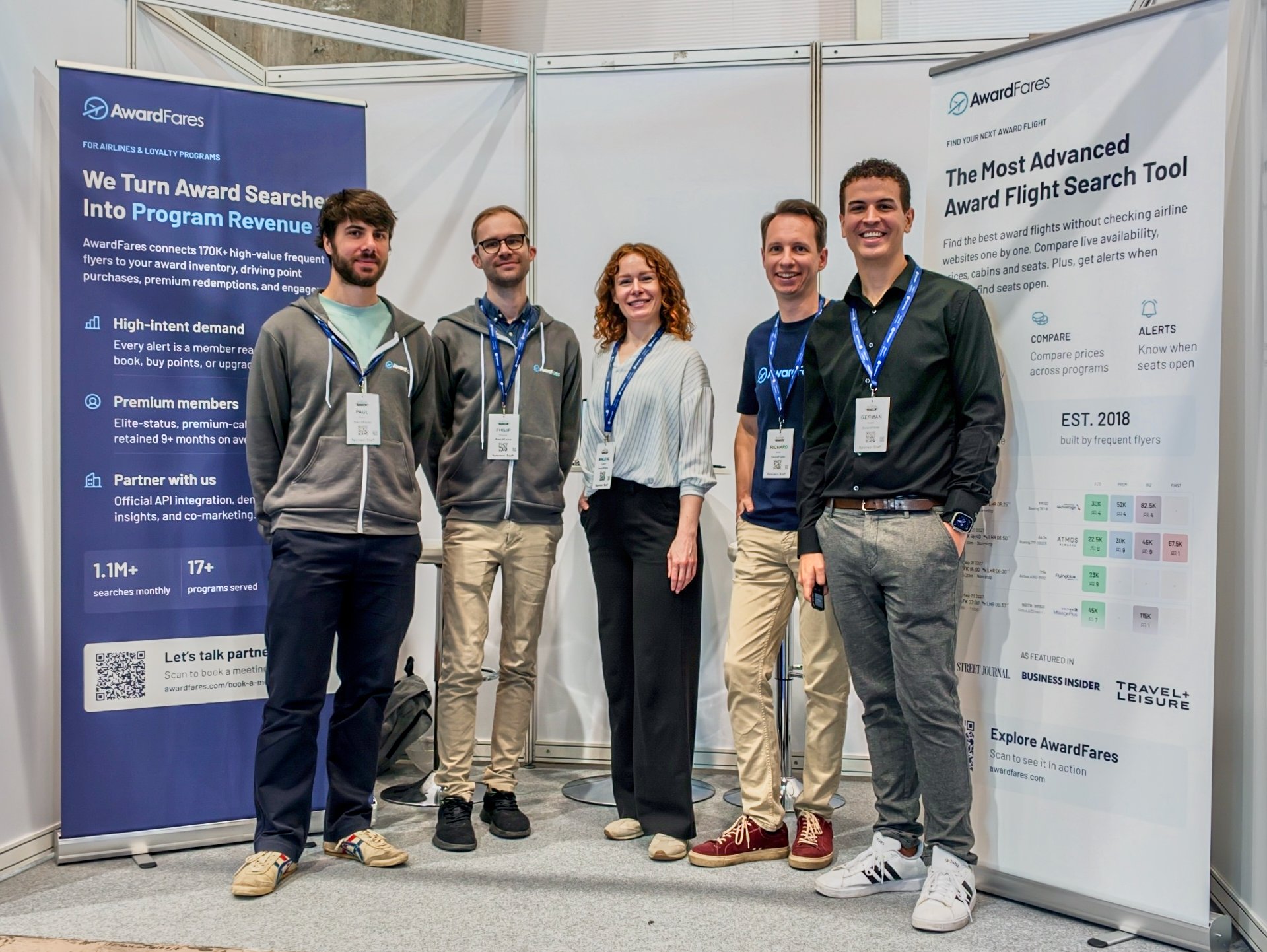
Key Takeaways
- Loyalty is a business, and award seats now have a price.
- You will earn more without flying, but using points well is harder.
- More seats can be booked with miles, but few are cheap.
- The same seat can cost different people different amounts.
- An airline’s AI shows its own program, not a comparison.
1. Loyalty Is a Business, and Award Seats Have a Price
When American Airlines created AAdvantage in 1981, award seats were mostly seats that would otherwise have flown empty. For a long time, airlines saw them as free. That is no longer the case.
Some programs even buy each seat from the airline, which pushes award prices to follow demand, although many programs still use fixed award charts. For you, the number of points you have matters less than the value you get from them.
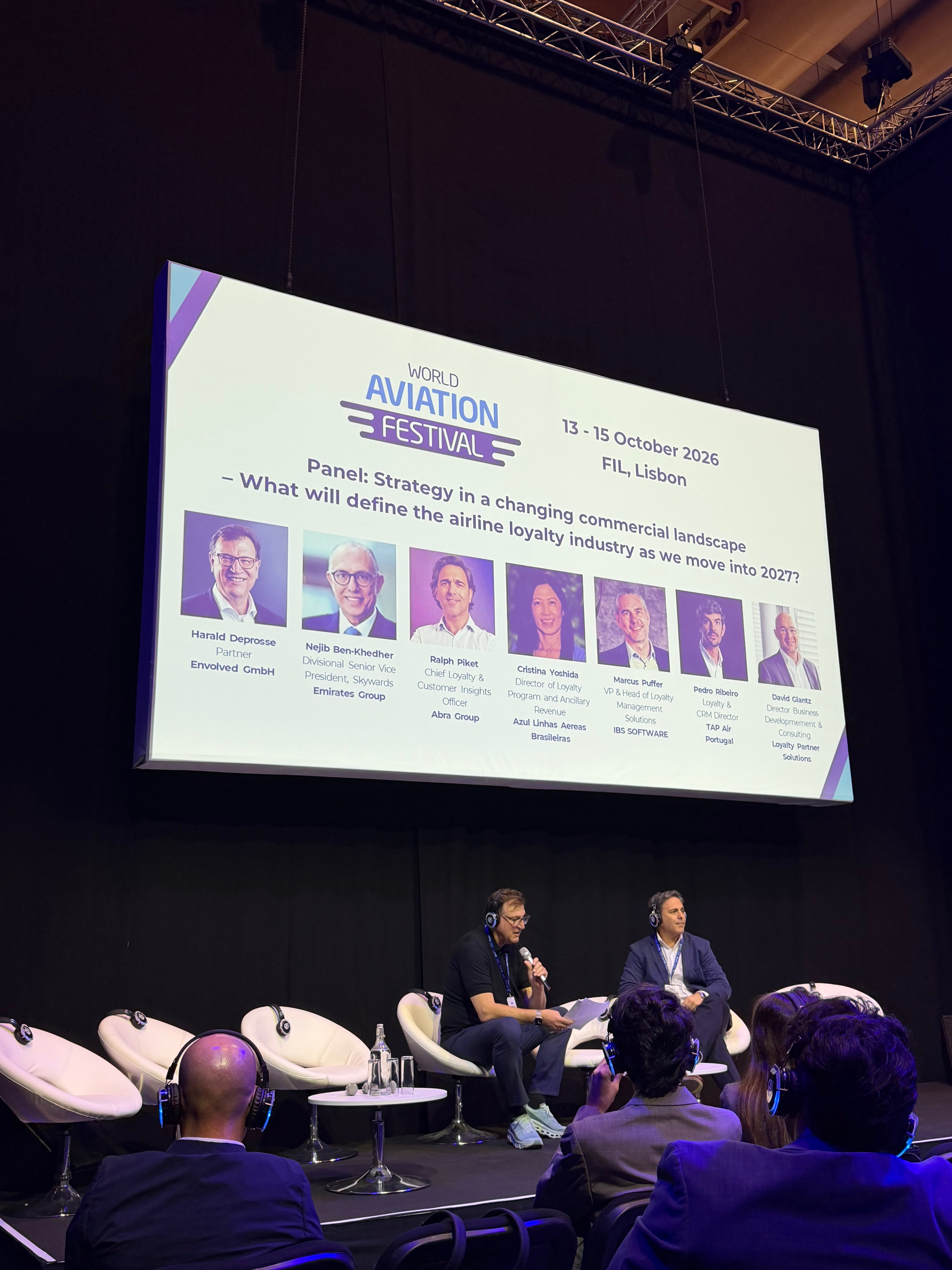
Harald Deprosse, a former managing director of Lufthansa’s Miles & More, said that the old view of award seats as worth zero is gone.
Tiffany Funk, Head of Flying Blue and VP Loyalty at Air France-KLM, described Flying Blue as a customer behavior program, not a points program: do this, and we will reward you for it. She explained that Flying Blue runs as a separate company that buys Air France and KLM tickets like any other company. That gives it more flexibility and transparency than a loyalty department inside an airline. Other programs, such as IAG Loyalty for Avios and Avianca’s LifeMiles, also run as separate companies.
The money explains why. Nejib Ben-Khedher, who leads Skywards at Emirates Group, said around 50% of Emirates’ points come from outside the airline. Finnair said its most valuable 5% of customers generate 35% of its revenue. Delta says its payments from American Express are on track to exceed $9 billion this year, and in August, Air Canada sold a 25% minority stake in Aeroplan at a valuation of C$10 billion.
The difference between programs can be large. When I booked Miami to Papeete earlier this year, AAdvantage charged 40,000 miles plus $5.60 per person, while a EuroBonus option for that trip cost 54,000 points plus about $300.
Our own data shows how differently programs perform once people find a flight. Click-through to book varies about 10 times by program on AwardFares: about half of SAS EuroBonus searchers click through to book, compared with 22% for AAdvantage, 11% to 13% for Flying Blue, United, and Delta, and under 5% for Qantas, Turkish Airlines, and JetBlue.
2. You Will Earn More Without Flying
You will earn more points without flying, but using them well is getting harder. Cards, partners, and everyday spending now drive both points and status, and points spent outside flights often give less value than an award ticket. Choose a program for where it can take you, not for the airline you fly most.
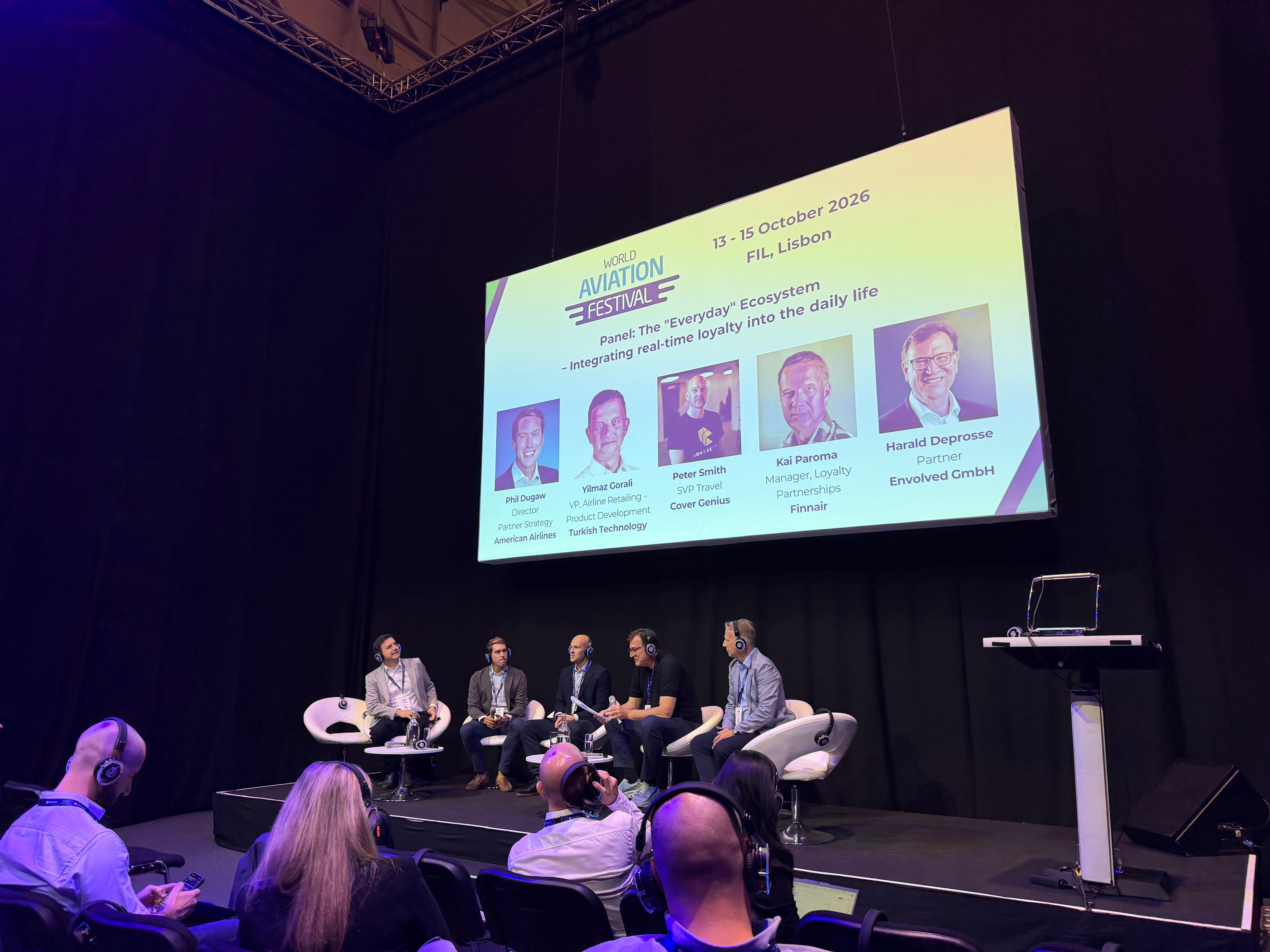
Phillip Dugaw, Director of Partner Strategy at American Airlines, said many members fly only once a year, so the airline needs to stay relevant between trips. Credit cards have helped enormously, and status now also comes from everyday spending.
Kai Paroma, who manages loyalty partnerships at Finnair, said going beyond flying is essential in a small market like Finland, and making points easier to understand and use helped drive its switch to Avios. Around half of Finnair Plus members spend most of their Avios outside flights, from onboard purchases to a ski resort in Lapland.
Programs also reach far beyond their home countries. TAP said it has around 10 million members, but only 1.5 million live in Portugal. We see the same on AwardFares. Flying Blue is our second most searched program, and fewer than 10% of its searchers are in France or the Netherlands. About half of the searchers for each big US program are outside the US: 46% for AAdvantage, 41% for United, and 50% for Delta.
Many travelers also use more than one program. In a typical month, 13% of active AwardFares searchers search two or more programs, and 28% do over a full year. Among members whose main program is not EuroBonus, about 2 in 3 searched at least one other program during the year. Our program pages show what each one can book.
3. More Seats for Miles, But Few Are Cheap
More seats can now be booked with miles, but cheap seats are still scarce. When a program opens all its seats, it usually prices them by demand. To get the low prices, move your dates or airports when you can, and set an alert so you can book before the seat is gone.
Pedro Ribeiro, TAP’s Loyalty & CRM Director, said that in 2026 TAP opened its entire inventory to Miles&Go members, at dynamic prices. That applies to Miles&Go only: partner programs such as EuroBonus still see only the seats TAP releases to them. Making this change meant working through internal fights between Sales, Revenue Management, and Loyalty.
It is messy, and they know it. It is messy for them, too.
Air Canada’s Daniel Brett said Aeroplan now closely protects the value of a point, something it learned from its past: under Aimia, it focused on cutting costs, and at its relaunch it removed fuel surcharges because cash fees were hurting engagement. He also said airlines are getting better at selling premium cabins, which leaves fewer seats for upgrades.
The competition for those seats is real, because most people want the same thing. Of AwardFares alerts that set a cabin, 97% include Business Class and only 4% include Economy, and nearly 3 in 4 clicks on a specific cabin are for a premium cabin.
More members also rely on alerts: 43% of active searchers created at least one in the last year, up from 38%, and the number of alerts created rose 17% to 146,000. Planning ahead helps, too. The median search on AwardFares is for travel about 5 months out, and 1 in 3 is for travel 6 to 11 months out.
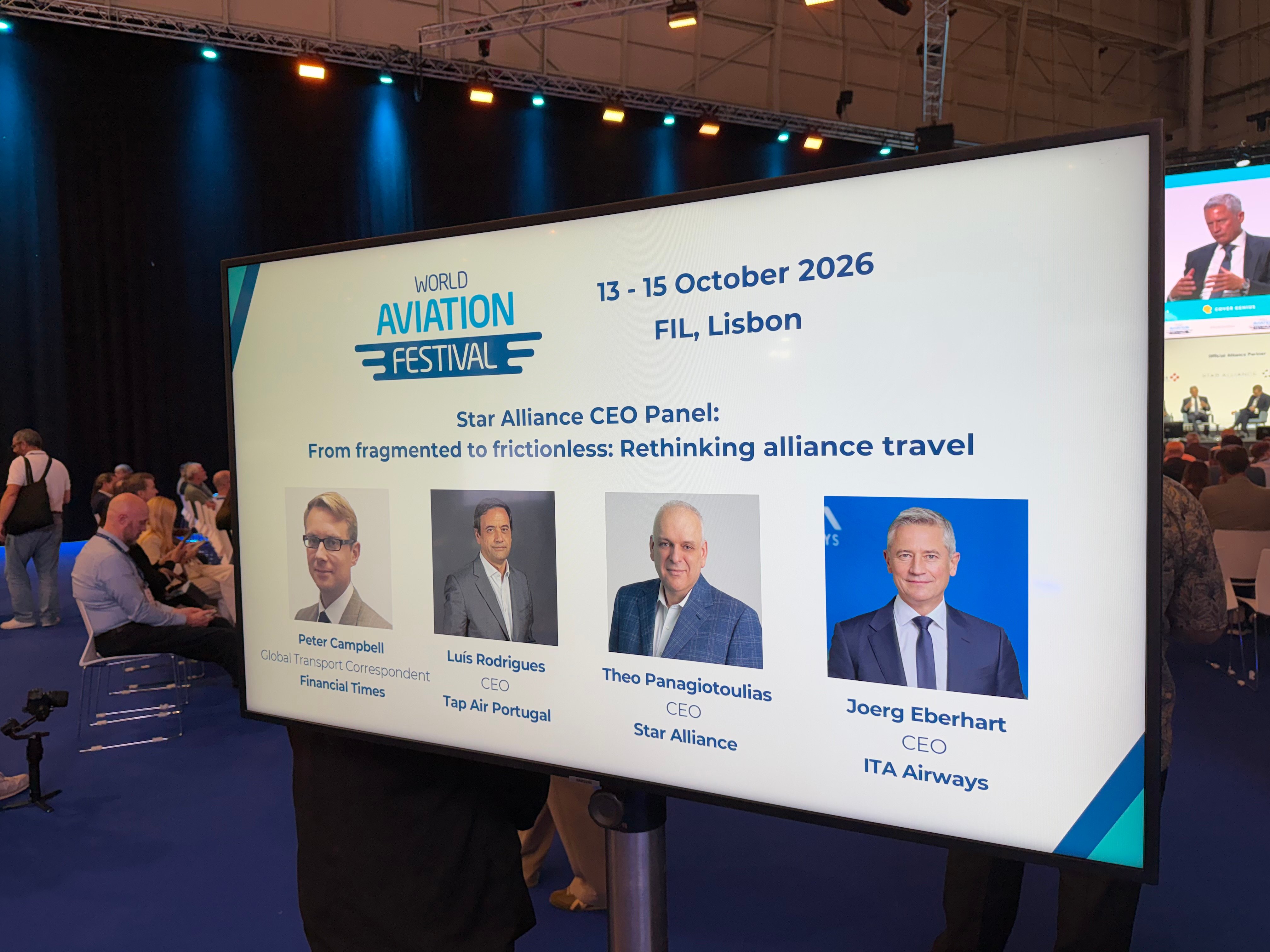
4. The Same Seat Can Cost Different People Different Amounts
So who gets the scarce cheap seats? More and more, it depends on who you are. Airlines want to adapt prices, offers, benefits, and even access to the cheapest awards to each member, so the price you see may not be the price another member sees. Compare special offers with other programs, and search logged in to see your own price.
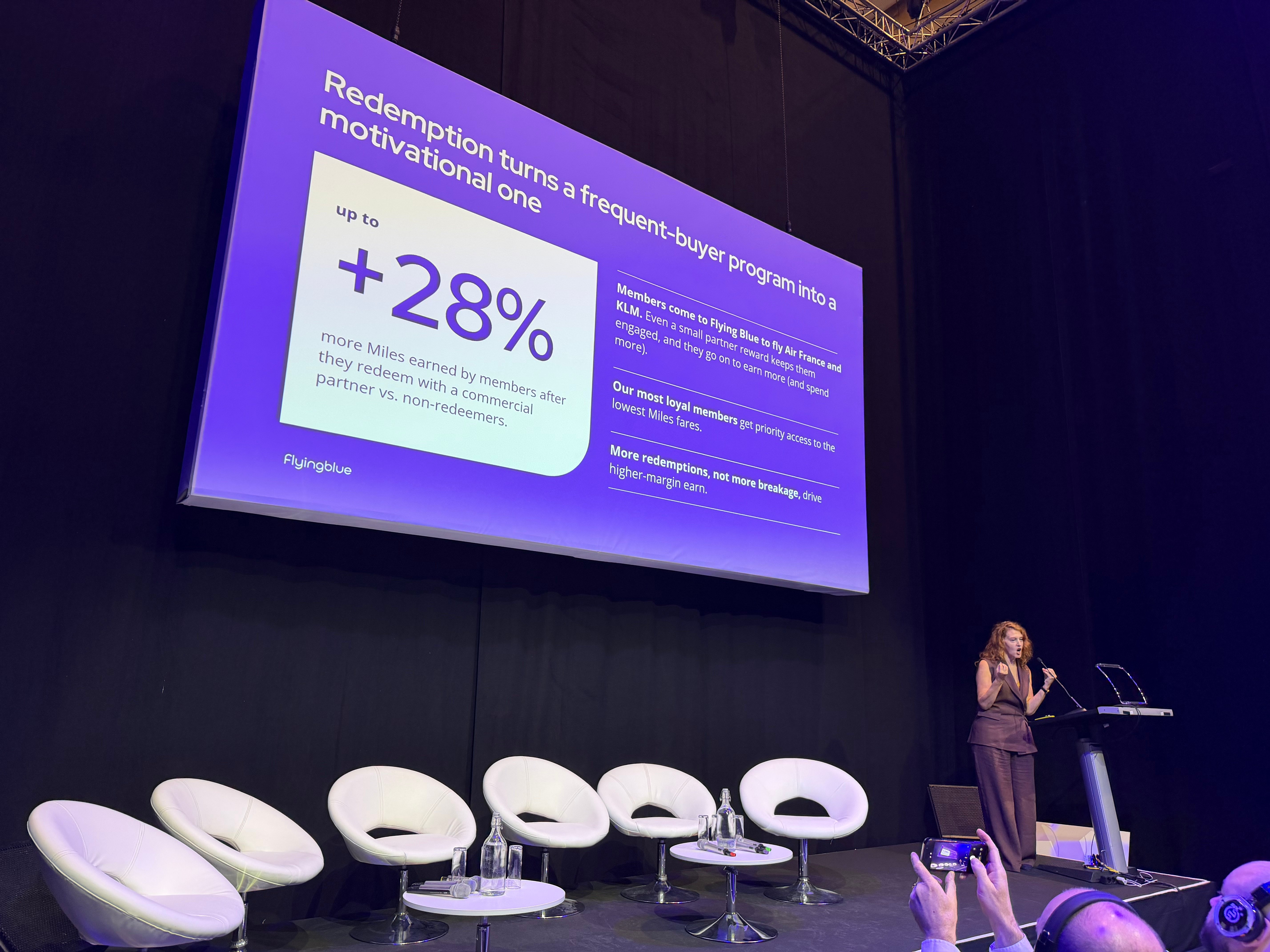
Personalization was the biggest theme in Lisbon, and Flying Blue already does this: a slide in Tiffany Funk’s talk said, “Our most loyal members get priority access to the lowest Miles fares.” Turkish Airlines gave the most practical example. It checks whether each member is earning enough points to book a flight, or only collecting them. Members who are not close to booking a flight receive targeted top-ups, redemptions, and upgrade vouchers at better rates.
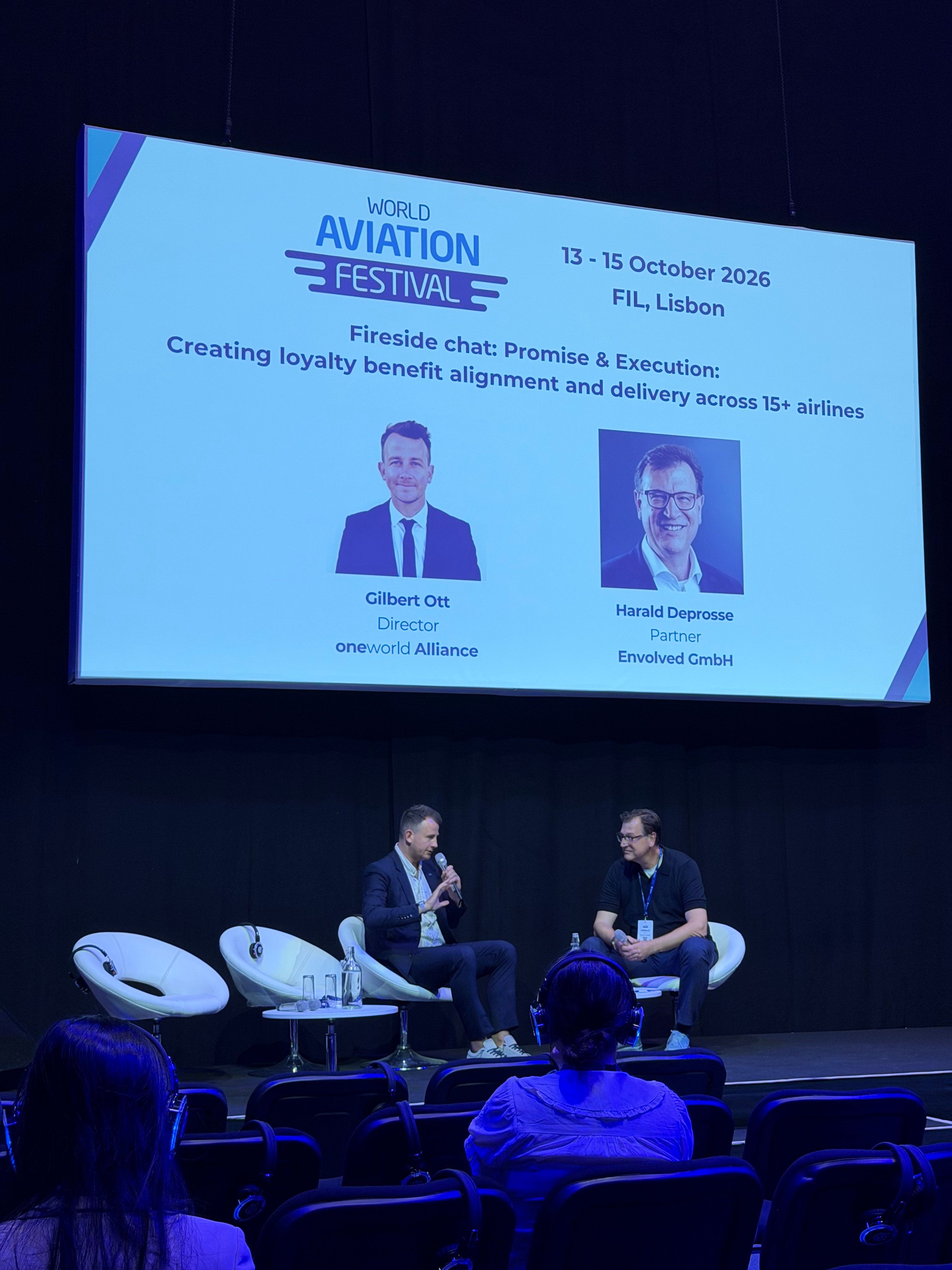
Gilbert Ott, Director of Loyalty at oneworld, said the alliance is working on perks that members can customize, instead of the same benefits for everyone in a tier, and on a smoother experience across its airlines at every tier.
United already gives MileagePlus cardholders at least 10% off every United award ticket, and at least 15% off when they also have Premier status. On a 70,000-mile award, that is at least 7,000 miles saved.
We have already seen this in practice. United gives its cardholders access to Saver award seats in Polaris Business Class that used to be open only to its Platinum and 1K members, so two members searching the same flight can see different seats. Even the country version of United’s website can matter: we have seen the same award show different prices on its Canadian site and its US site.
Personalization is good when it gives you a better offer. It is a problem when you cannot tell whether the offer is good.
Case Study: EuroBonus After the Move to SkyTeam
A program is only as good as the seats its partners release. When SAS moved from Star Alliance to SkyTeam, EuroBonus kept its points and status levels, but Business Class award space got much harder to find, especially to Asia. If you collect EuroBonus points, plan around Economy to Europe and North America, and expect Business Class to need flexibility.
SAS was a founding member of Star Alliance in 1997. After Air France-KLM became a shareholder, SAS moved to SkyTeam on September 1, 2024, and Air France-KLM later announced plans to become the majority owner of SAS. We search EuroBonus awards every day, and this is what we see. It reflects our daily searches, not a formal study.
| With Star Alliance (until August 2024) | With SkyTeam (2026) | |
|---|---|---|
| North America | United and SAS, good Business Class space | Delta Economy wide open, Business Class hard to find |
| Europe | Lufthansa Group, good Business Class space | Air France and KLM improving, Business Class still harder to find |
| South America | Avianca | Aerolíneas Argentinas, mostly through its SAS codeshare |
| Asia | ANA, good Business Class space | The biggest setback. No Japanese SkyTeam airline |
| First Class | Lufthansa First Class bookable | Almost nothing bookable |
| Two Business seats on one flight | Common | Rare. Korean Air and Saudia usually show one |
| Itineraries mixing two partners | Common | Rare, except SAS with Aerolíneas Argentinas |
We flew several mixed Star Alliance itineraries ourselves, such as Lufthansa with ANA. Today, finding two Business Class seats is often the hardest part, which makes the SAS Amex 2-for-1 voucher hard to use. SAS also applies a 2x points multiplier to Air Europa, China Airlines, and Vietnam Airlines awards, and it no longer flies to mainland China or Hong Kong. China Eastern has not worked since the start, with seats appearing only briefly, and Kenya Airways has only started to show small amounts of space. The good news is that EuroBonus added Premium Economy awards on SkyTeam partners in 2026.
Speakers kept saying loyalty must be customer-centric. EuroBonus shows how far that can be from what members experience when a program changes partners. As long-time EuroBonus members, we see that gap firsthand. The move to SkyTeam was not free for us. The program kept its basic structure, but the award space underneath got worse, and the redemptions many members valued most, like two Business Class seats for the 2-for-1 voucher or Lufthansa First Class, became much harder to book.
If EuroBonus moves to dynamic pricing, more seats may open up, but the best redemptions will be harder to find.
5. Airlines Want to Own the AI Channel
Airlines want to control how AI sells their flights, so an airline’s AI will show its own program, not a comparison across programs. Use AI to plan and learn the rules, but check prices and seats across programs before you move points.
Most airline speakers were careful with AI. Many are not convinced yet by AI agents that act for customers, and they do not want to lose personal service. Their answer is clear rules and control of their own data, while they prepare that data for trusted AI agents in the short term. Loyalty is often where airlines test new ideas first, because the risks are lower and the ecosystem is bigger.
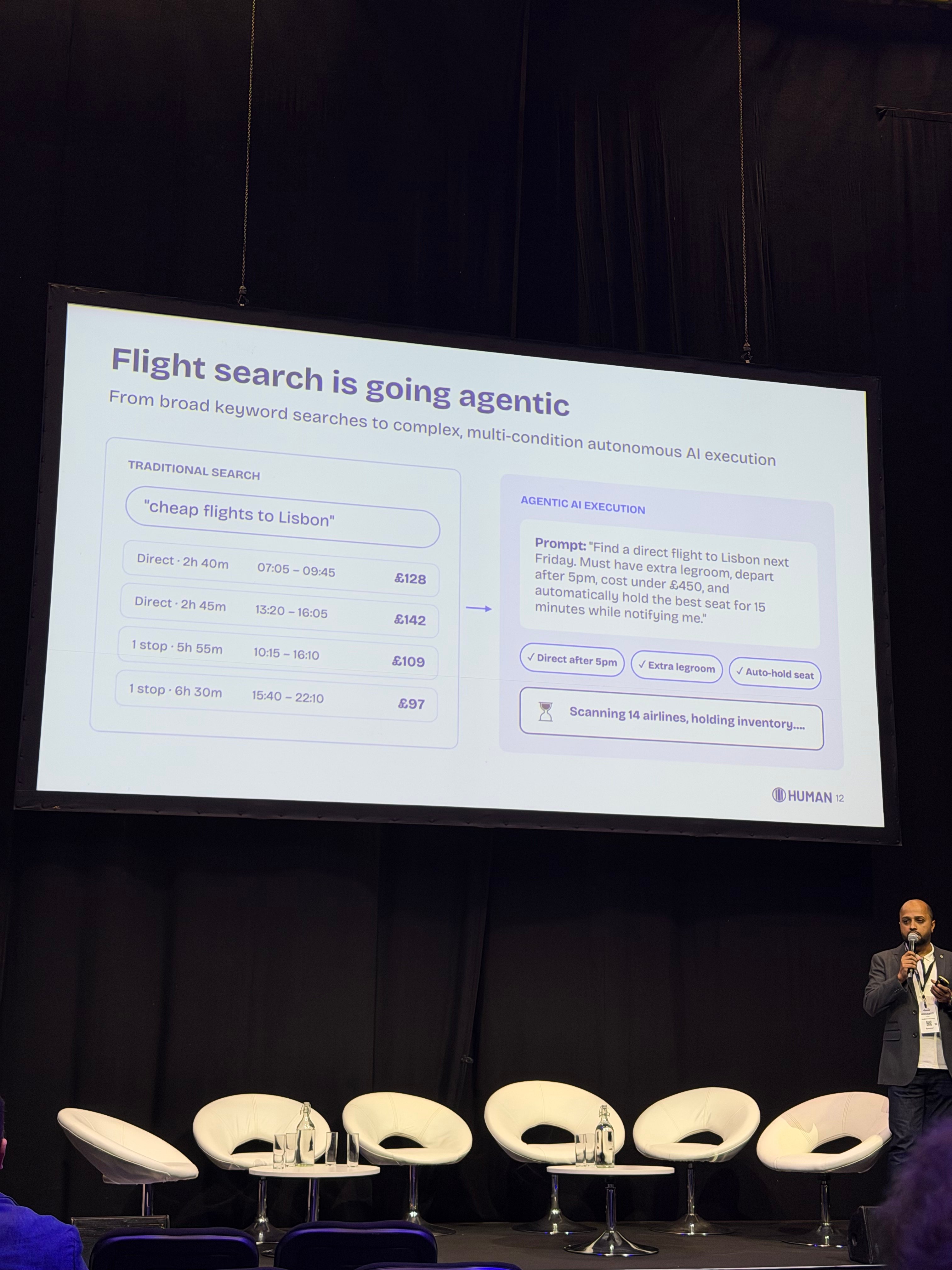
Google AI Mode now shows points prices for programs that partner with Google, such as Atmos Rewards and AAdvantage, and Virgin Atlantic launched the first airline app inside ChatGPT. Virgin’s announcement does not mention Flying Club reward seats. Virgin Australia’s ChatGPT app goes further and shows Velocity reward seats on Virgin Australia flights, with partner flights planned for later. Our AI Mode test shows why you should double-check.
Travelers are already using AI to find award tools, not only to search. About 1 in 10 new AwardFares members say they found us through AI. Visits from AI tools grew 3.6 times in a year, from 0.5% to 1.1% of all visits, and ChatGPT sends 87% of them.
Bottom Line: What We Took Home From Lisbon
Miles are not going away, but the rules behind them are changing. Airlines now treat every award seat as something with a price. They are learning to set that price for each member, and they want to control the screens where you search. This is good news if you are flexible and compare before you book. It is bad news if you always book the same way without comparing. The same trip can cost 40,000 miles and $6, or 54,000 points and $300, and the airline will not tell you which one is the better deal.
Our advice after Lisbon is simple. Earn in programs that can take you where you actually want to go. Keep your points flexible for as long as you can. Compare every program before you transfer. Loyalty programs are getting smarter about you. It is time to get smarter about them.
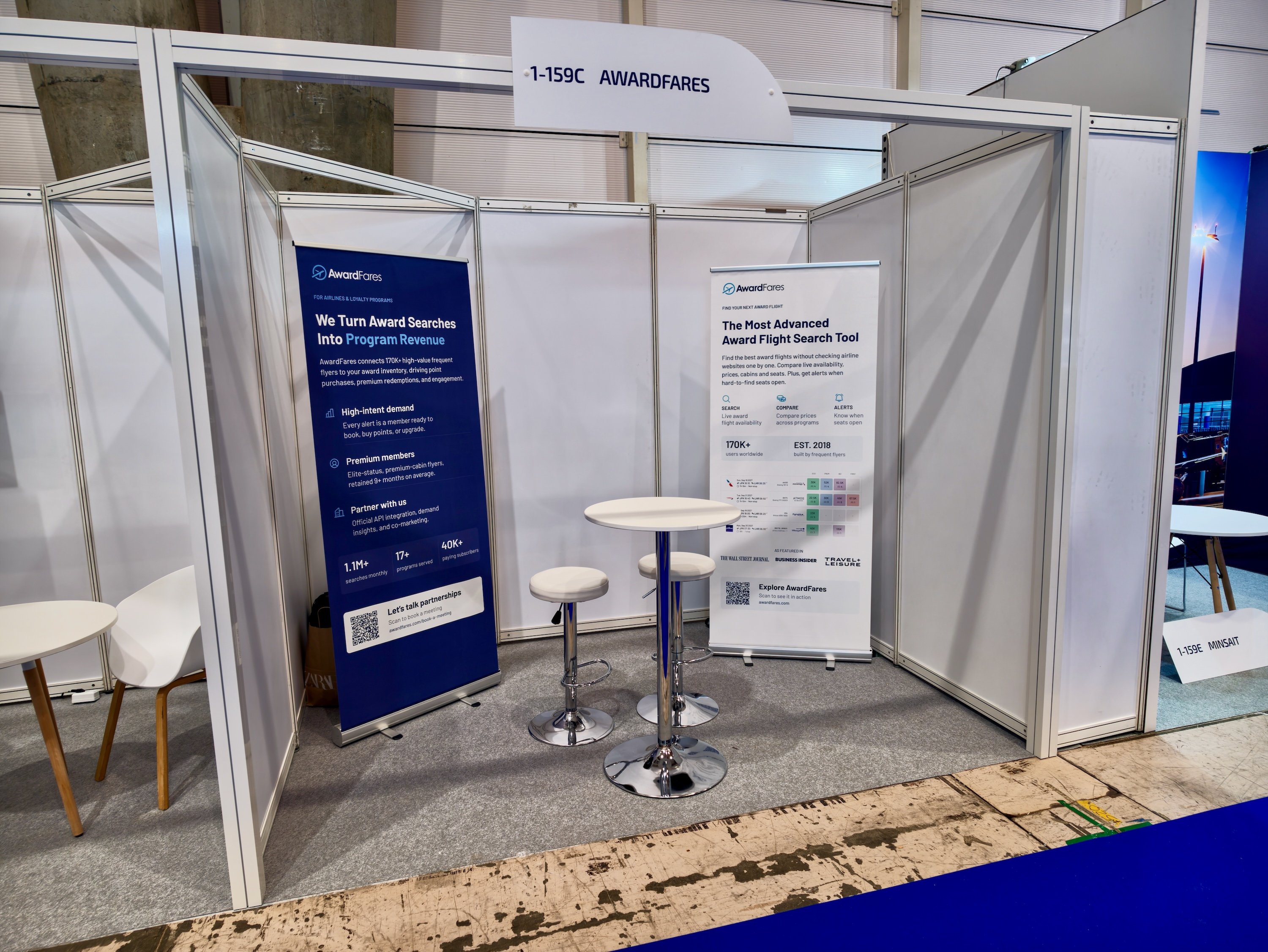
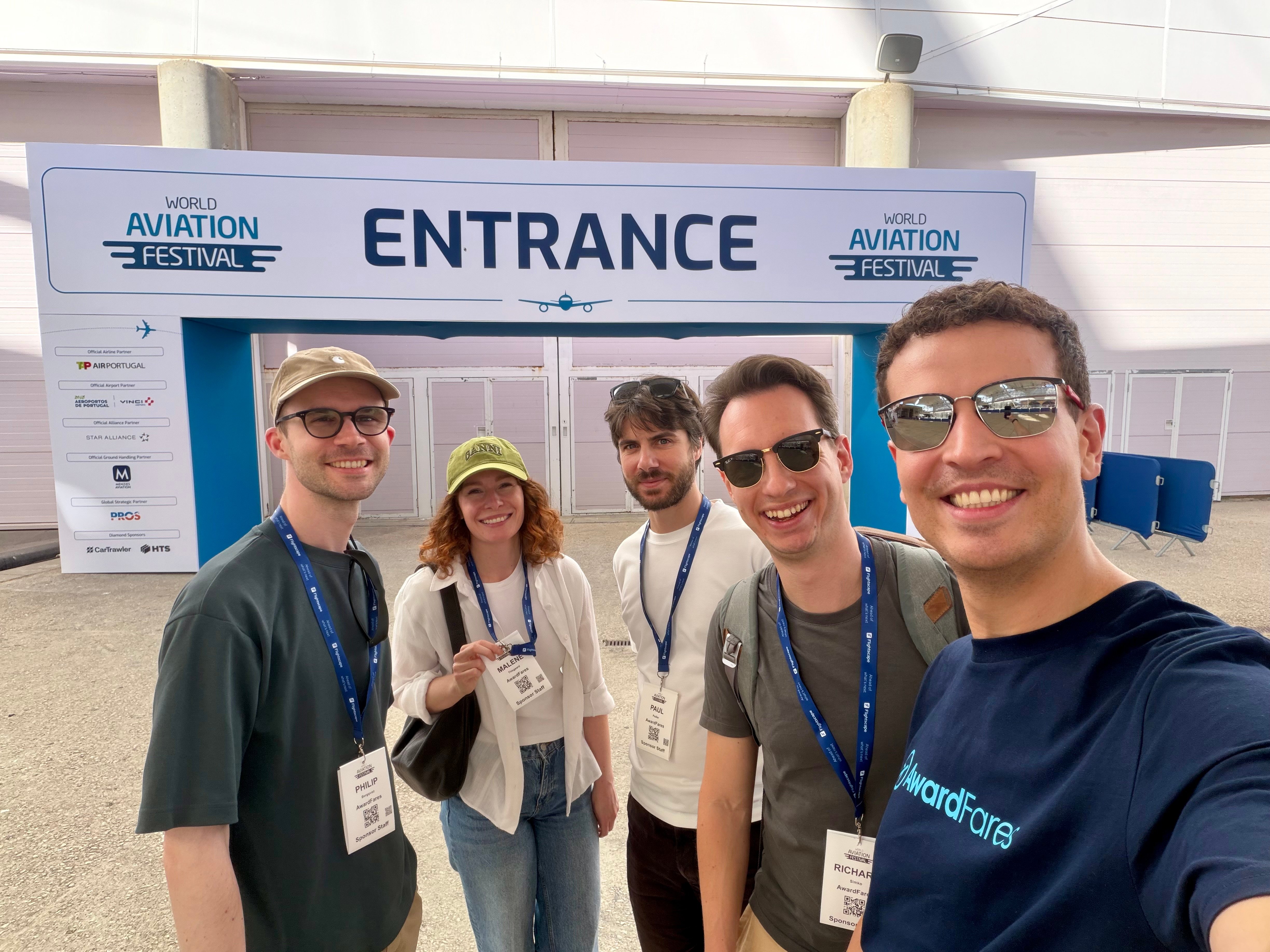
The AwardFares figures in this article come from anonymous, combined usage data from the past 12 months.
Find & Monitor Award Flight Availability
Use AwardFares to instantly search multiple frequent flyer programs. Find available award seats, set up alerts to monitor availability, check flight schedules, view seat maps, and more—all in one place.